Design systems are (not) dead. Enter the Experience Ecosystem.
Experience Ecosystem
Design system
MCP
AI-ready
Design systems have transformed how we design and build digital products. They've given teams shared foundations, reusable components, patterns and principles. But there's a fundamental limitation: a design system alone cannot guide the entire experience.
5 minute read
•

The problem: Design systems were never the whole answer
Great experiences involve much more than interfaces and components. They depend on brand, content, accessibility, UX, research, product thinking, interaction design and engineering, to name just a few.
These disciplines all influence the same customer experience, yet their knowledge, principles and guidance often live in different places, owned by different teams.
The result? Disconnected guidance, duplicated effort and inconsistencies that no component library alone can solve.
The shift: From design systems to experience ecosystems
What if we thought beyond the traditional design system?
What if, instead of focusing primarily on the building blocks of digital products, we created something that connected all the knowledge, expertise and guidance needed to design and deliver the entire experience?
That's the thinking behind an Experience Ecosystem.
Not a replacement for design systems, but a more holistic model that brings together the different disciplines and their contributions under a shared vision.
The ambition: Shared ownership, connected knowledge
An ecosystem that connects Brand, Content, Accessibility, UX, Research, Product, Design Systems and Engineering.
Each team owns and maintains its area of expertise, contributing to a shared knowledge base that everyone can use.
Instead of searching across multiple documents, platforms and tools, teams have one connected place to understand how we approach experience design and delivery.
The ambition is simple: better collaboration, less duplication, fewer inconsistencies and more efficient ways of working.
The future: One source of truth for humans and machines
But there's another opportunity here.
Documentation shouldn't just be written for people to read. It should also be structured and accessible for machines to understand and use.
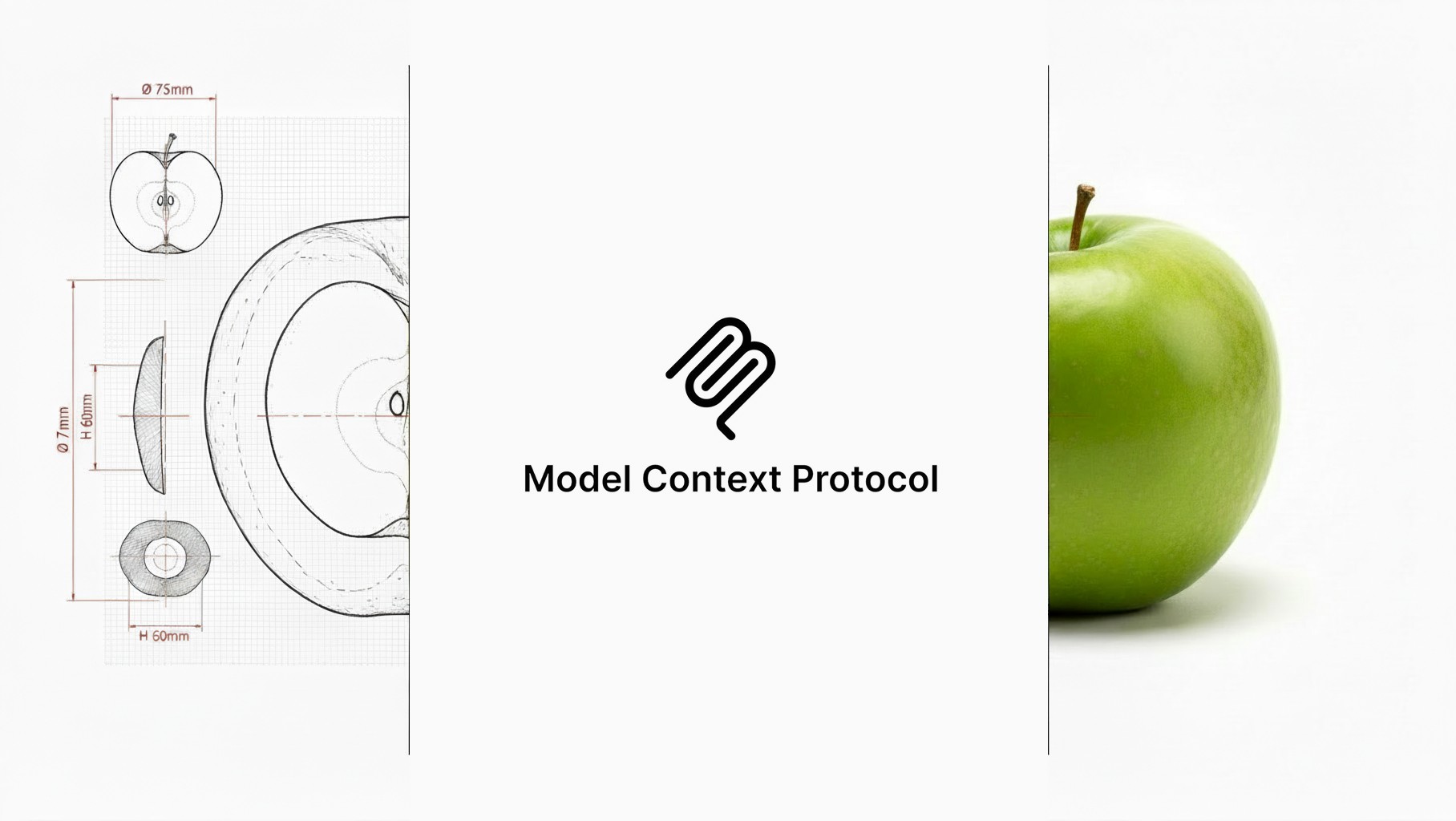
By connecting our ecosystem to design and implementation tools through MCP (Model Context Protocol), we're exploring how the same knowledge can inform both human and AI-assisted workflows.
This takes the idea of a single source of truth further. Rather than simply having one place to visit, we can connect the tools where work happens directly to the knowledge that guides it.
AI doesn't need another disconnected set of instructions. It needs access to the same principles, context and standards that guide our teams.
The conclusion: Beyond the component library
Design systems remain an essential part of the equation. But the opportunity is to think bigger.
As organisations become more complex and AI changes how we design and build, connecting knowledge, people and technology becomes increasingly important.
Perhaps the future isn't about building bigger design systems. It's about building connected experience ecosystems.